
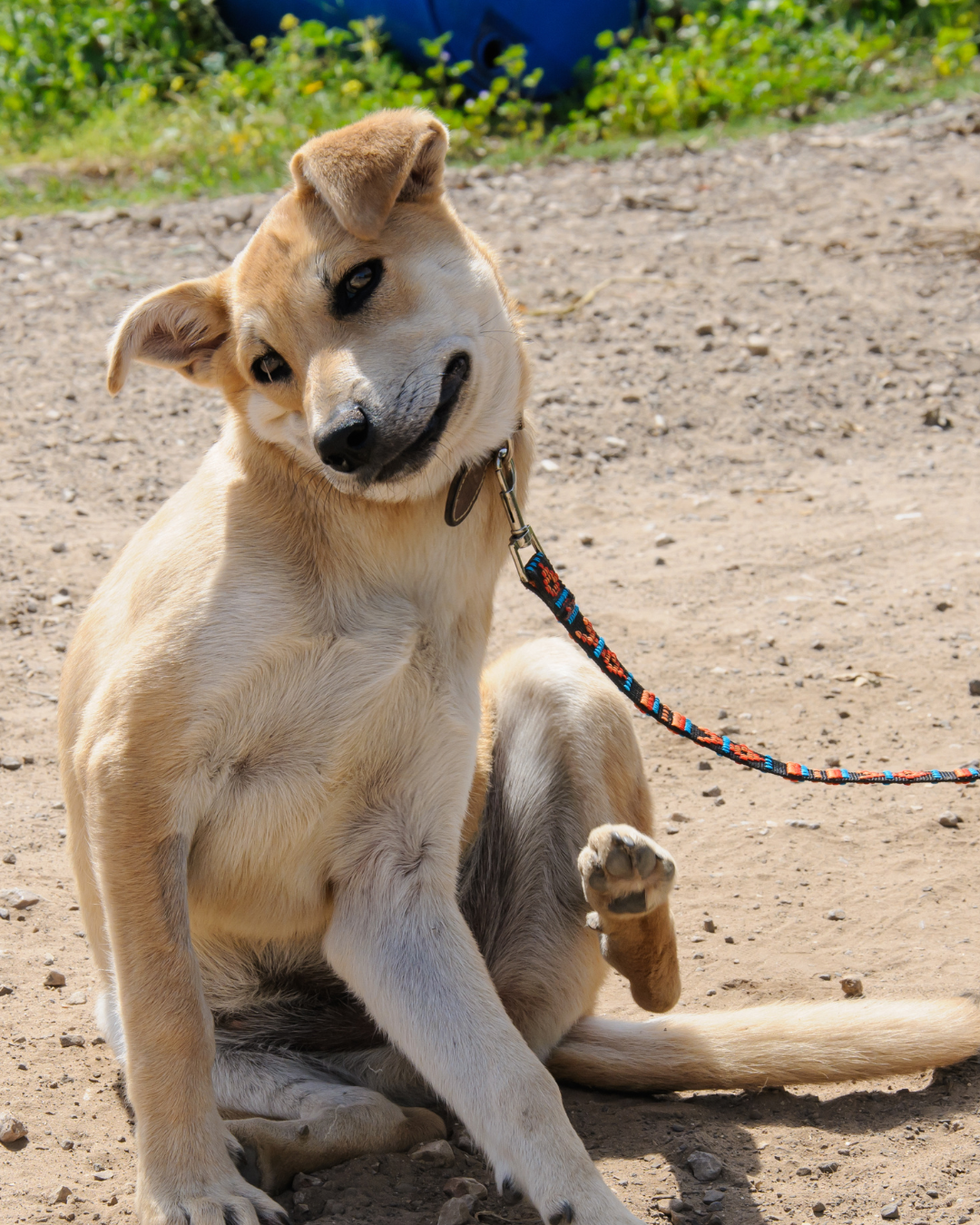
Why Is My Dog Itching? Common Causes Beyond Fleas
If your dog seems to be scratching more than usual, your first thought might be fleas. While fleas are certainly a common cause of itchy skin, they’re far from the only possibility. In fact, many dogs experience itching for reasons that have nothing to do with fleas at all.
Occasional scratching is perfectly normal. Just like people, dogs may scratch an itch from time to time. However, if your dog is scratching frequently, chewing at their paws, rubbing against furniture, or licking the same area over and over, it’s worth taking a closer look.
Here’s what every dog owner should know about the most common causes of itchy skin.
Allergies are more common than you might think
Just like humans, dogs can develop allergies. These may be triggered by environmental factors such as pollen, grass, mold, or dust mites. Some dogs experience seasonal allergies, while others have symptoms throughout the year.
Food allergies can also cause itchy skin, although they are less common than environmental allergies. In many cases, dogs with food sensitivities develop chronic itching around the face, ears, paws, or underside of the body.
If allergies are the cause, your veterinarian can help identify the trigger and recommend treatments to keep your dog comfortable.
Skin infections
Constant scratching can damage the skin, creating an opportunity for bacteria or yeast to grow. In some cases, the infection itself becomes the reason your dog continues to itch.
Signs of a skin infection may include:
- Red or inflamed skin
- An unpleasant odor
- Hair loss
- Scabs or sores
- Oily or flaky skin
- Thickened skin in chronic cases
Fortunately, many skin infections respond well to treatment once the underlying cause has been identified.
Fleas and other parasites
Although itching isn’t always caused by fleas, they should never be ruled out. It only takes a few flea bites to cause significant discomfort, especially in dogs with flea allergy dermatitis.
Other parasites, including certain mites, can also lead to intense itching and skin irritation.
Keeping your dog on year-round parasite prevention is one of the simplest ways to protect both their skin and overall health.
Environmental irritants
Sometimes the problem isn’t an allergy at all. Dogs can come into contact with substances that simply irritate their skin.
Freshly cut grass, lawn treatments, cleaning products, shampoos, road salt, or even certain fabrics can all cause temporary irritation in sensitive dogs.
If your dog’s itching seems to appear after walks or outdoor play, an environmental irritant could be contributing to the problem.
Don’t forget the ears and paws
Itchy ears and feet often go hand in hand with allergies.
If your dog is constantly licking their paws, chewing between their toes, shaking their head, or scratching at their ears, it’s a good idea to have them examined. Ear infections are common in dogs with allergies and can become quite uncomfortable if left untreated.
When should you schedule an appointment?
It’s time to schedule a veterinary exam if your dog:
- Scratches constantly or seems uncomfortable
- Licks or chews their paws excessively
- Has red, inflamed, or irritated skin
- Develops bald spots or hair loss
- Has scabs, sores, or an unusual odor
- Frequently shakes their head or scratches their ears
- Has itching that lasts more than a few days
The sooner the cause is identified, the sooner your dog can start feeling better.
Avoid guessing with over-the-counter treatments
With so many products available online and in pet stores, it can be tempting to try multiple shampoos, sprays, or supplements. Unfortunately, treating the wrong condition can delay proper care and sometimes make skin problems worse.
Because itching can have many different causes, the best treatment depends on an accurate diagnosis.
Helping your dog stay comfortable
Persistent itching isn’t something your dog simply has to live with. Whether the cause is allergies, parasites, an infection, or another skin condition, effective treatments are available.
At Easthampton Animal Hospital, we’ll work with you to identify the source of your dog’s discomfort and develop a treatment plan tailored to their needs.
If your dog is scratching more than usual, don’t wait for the problem to become more serious. A simple examination today can help your dog find lasting relief and get back to feeling their happy, healthy self.