
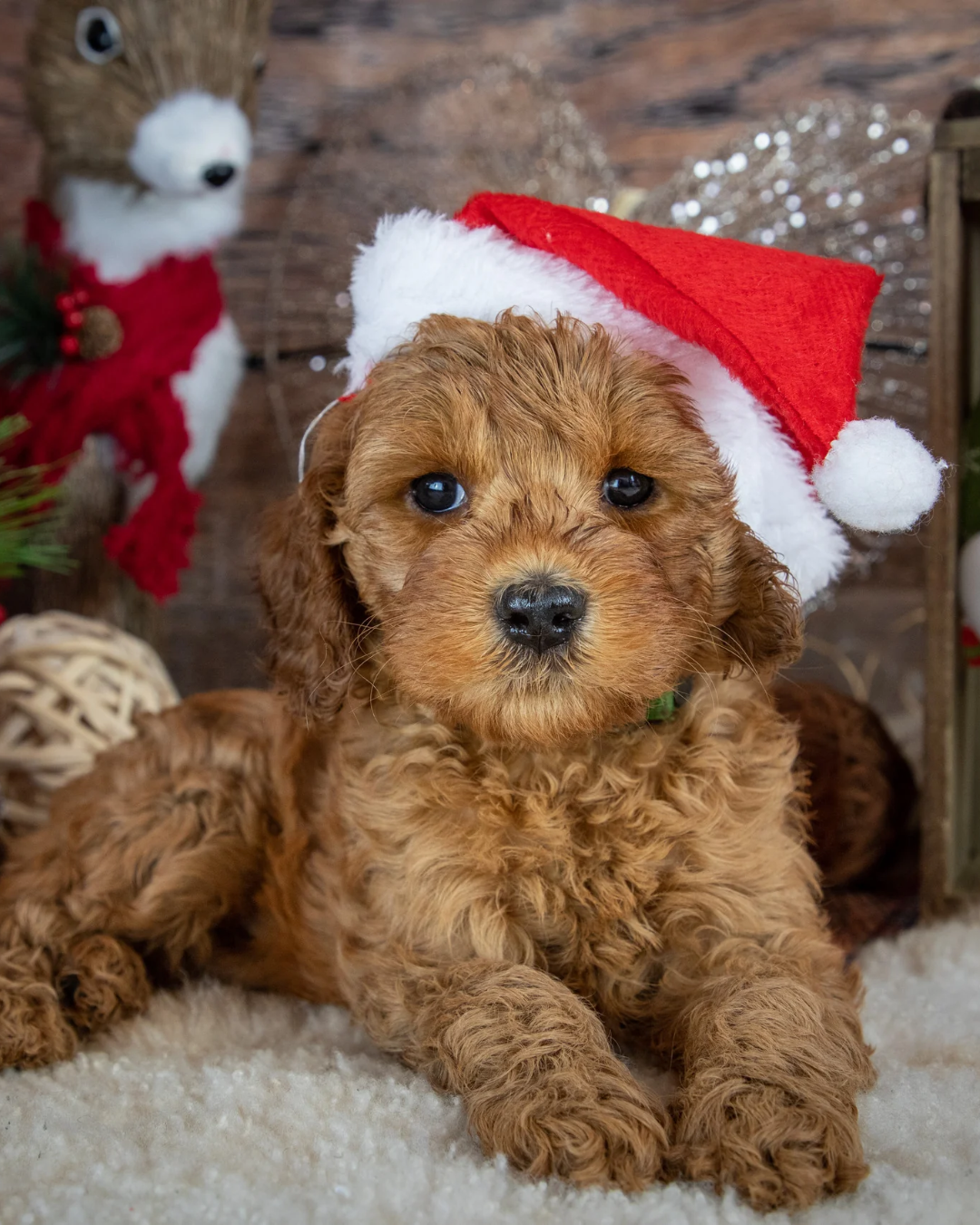
Holiday Hazards for Dogs: The Unexpected Dangers Around Your Home
The holiday season brings plenty of excitement, from decorating the house and preparing festive meals to welcoming family and friends. But while we’re busy enjoying the celebrations, our dogs may be discovering a few unexpected hazards along the way.
Most pet owners know that chocolate is dangerous for dogs, but there are plenty of other seasonal risks that are easy to overlook.
At Easthampton Animal Hospital, we want everyone in the family, including our four-legged friends, to enjoy a safe and happy holiday season. Here are some common hazards to watch out for.
Festive Plants Aren’t Always Pet-Friendly
Holiday plants can brighten up your home, but did you know that some aren’t suitable for curious dogs?
Mistletoe and holly can cause gastrointestinal upset, and certain varieties may lead to more serious symptoms if eaten. Poinsettias, despite their reputation, are generally less toxic than many people believe, but they can still cause mouth irritation, drooling, or vomiting.
Even Christmas tree water can be a problem, particularly if it contains additives or has become contaminated.
Our advice: Keep festive plants out of reach, cover your Christmas tree stand, and consider pet-safe alternatives if your dog has a habit of investigating everything!
Decorations That Look Like Toys
To us, ornaments, ribbons, and twinkling lights are part of the holiday magic. To an inquisitive dog, they might look like exciting new toys.
Unfortunately, swallowing decorations can lead to choking or intestinal blockages.
Watch out for:
- Tinsel and ribbons: These can cause serious digestive problems if swallowed.
- Glass ornaments: Broken decorations may cause cuts or injuries.
- Electrical cords: Chewing them can result in burns or electric shock.
- Candles: Wagging tails and open flames are never a good combination.
Try placing fragile decorations higher up, securing electrical cords, and choosing battery-operated candles where possible.
Rich Holiday Foods Can Cause Trouble
Sharing a little holiday dinner with your dog might seem harmless, but many festive foods can cause digestive upset or more serious health problems.
Fatty foods such as turkey skin, gravy, and buttery leftovers can trigger vomiting, diarrhea, or pancreatitis, a painful condition involving inflammation of the pancreas.
Cooked bones can splinter or cause choking and internal injuries, while onions, garlic, grapes, raisins, and foods containing xylitol are toxic to dogs.
And don’t forget about the trash! A determined dog may find discarded bones, food wrappers, and leftovers particularly tempting.
Our advice: Stick to your dog’s regular food and treats, and make sure guests know not to share food from their plates.
Visiting Guests Can Be Overwhelming
For some dogs, a house full of visitors is the highlight of the holidays. For others, unfamiliar faces, excited children, and changes in routine can be stressful.
You might notice your dog pacing, panting, hiding, barking more than usual, or avoiding interaction.
It’s important to recognize these signs and give your dog space when needed.
Set up a quiet, comfortable area with their bed, water, and favorite toys. Let them choose whether to join the festivities, and remind visitors, especially children, to respect their boundaries.
If your dog is nervous around guests, don’t force introductions. A peaceful retreat can make the celebrations much more enjoyable for everyone.
Don’t Forget About Open Doors
With guests arriving, deliveries coming in, and people moving between rooms, doors may be left open more frequently than usual.
Even a normally well-behaved dog can become startled or excited and slip outside.
Make sure your dog’s identification tags and microchip details are up to date, and consider keeping them in a secure room during busy arrivals and departures.
A little planning can prevent a frightening situation.
Know When to Call Your Veterinarian
Despite our best efforts, accidents can happen.
If you suspect your dog has swallowed something toxic, eaten a foreign object, or developed concerning symptoms, contact your veterinarian or an emergency veterinary service promptly.
Don’t wait for symptoms to appear, and never attempt to induce vomiting unless instructed by a veterinary professional.
Signs such as repeated vomiting, abdominal pain, difficulty breathing, collapse, or unusual lethargy require urgent attention.
A Safe Holiday Is a Happy Holiday
The holidays should be a time for making wonderful memories with the people and pets we love.
By keeping decorations secure, choosing pet-safe plants, watching what your dog eats, and providing a calm space away from the excitement, you can help prevent many common seasonal emergencies.
A little extra preparation can go a long way toward keeping your dog safe, comfortable, and included in the celebrations.
From all of us at Easthampton Animal Hospital, we wish you and your pets a happy, healthy, and safe holiday season!
Have questions about your dog’s health?
Contact Easthampton Animal Hospital at (413) 527-0127.
410 Main Street, Easthampton, MA