
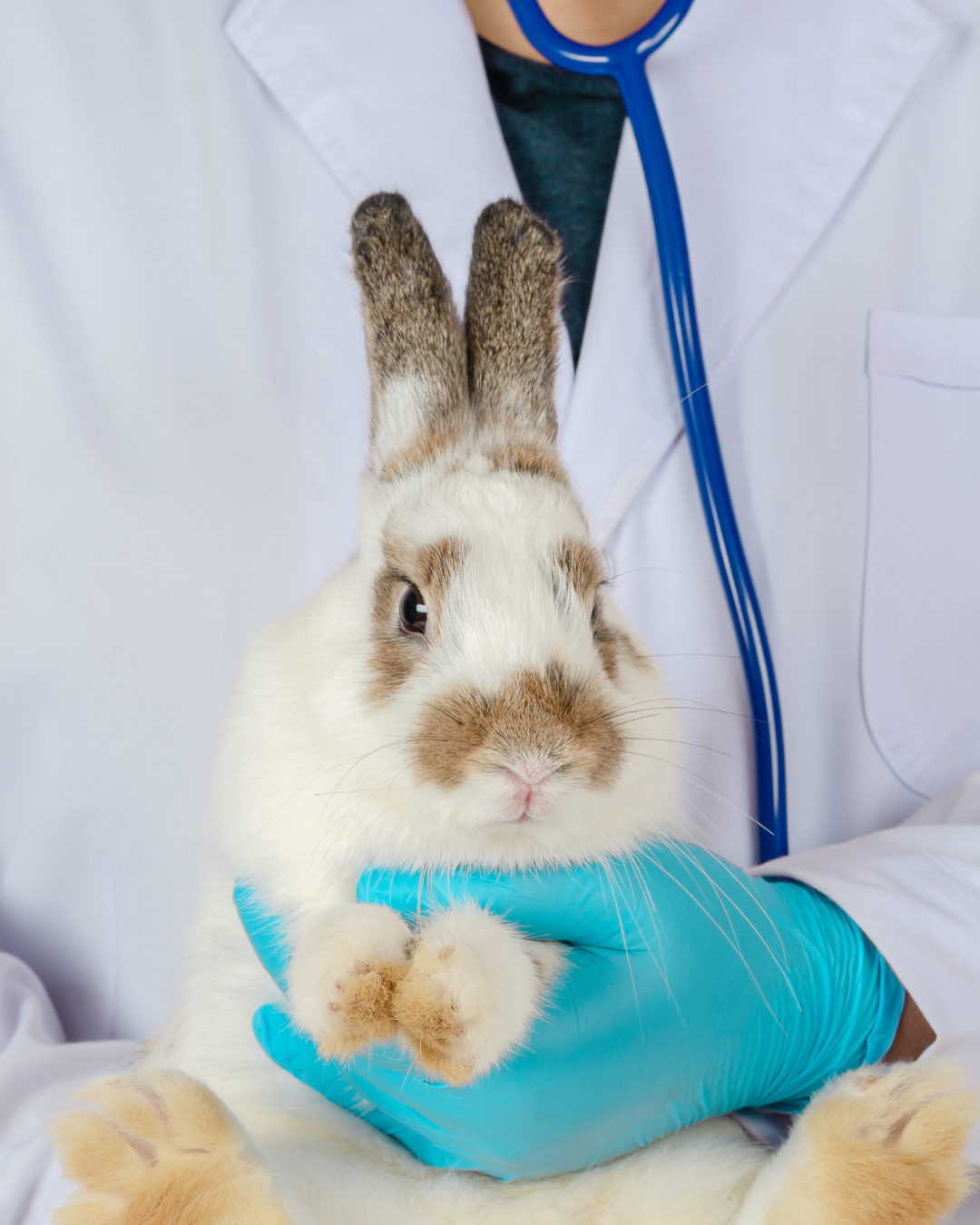
Why Rabbits Hide Illness and the Signs Owners Should Never Ignore
Rabbits are gentle, intelligent companions with unique personalities, but they also have one trait that can make caring for them particularly challenging: they are experts at hiding illness.
In the wild, rabbits are prey animals. Showing signs of weakness could make them a target for predators, so they instinctively mask pain and discomfort for as long as possible. Even our beloved house rabbits retain this natural behavior, which means that by the time they appear obviously sick, they may already need urgent veterinary care.
Knowing what to look for can make all the difference.
Small changes can signal a big problem
Because rabbits often hide illness, it’s important to pay attention to even subtle changes in their daily routine. You know your rabbit better than anyone, so if something seems “off,” trust your instincts.
Some of the earliest warning signs include:
- Eating less or refusing favorite foods
- Drinking noticeably more or less than usual
- Producing fewer or smaller droppings
- Hiding more often
- Becoming quieter or less active
- Sitting hunched or reluctant to move
- Changes in breathing
- Teeth grinding or signs of discomfort
These changes may seem minor at first, but rabbits can deteriorate quickly, making early evaluation extremely important.
Appetite is one of the biggest clues
A healthy rabbit should be eating throughout the day. Their digestive system depends on a constant supply of fiber, primarily from hay.
If your rabbit suddenly stops eating or only picks at food, it should never be considered normal. A loss of appetite can be associated with pain, dental disease, gastrointestinal stasis, or other serious medical conditions.
Even going several hours without eating can become a medical emergency for a rabbit.
Watch the litter box
Your rabbit’s litter box can tell you a great deal about their health.
Healthy rabbits produce a steady number of round, dry droppings every day. Smaller droppings, fewer droppings, or no droppings at all may indicate that the digestive system has slowed down.
Changes in urine color, straining, or accidents outside the litter box should also be discussed with your veterinarian.
Checking the litter box daily is one of the easiest ways to monitor your rabbit’s wellbeing.
Dental problems are more common than many owners realize
Rabbit teeth grow continuously throughout their lives. When the teeth don’t wear down properly, painful overgrowth can develop.
Signs of dental disease may include:
- Difficulty chewing
- Dropping food while eating
- Wet fur around the mouth
- Weight loss
- Reduced appetite
- Eye discharge in some cases
Regular veterinary examinations can often identify dental issues before they become severe.
Behavior changes matter
A rabbit that normally enjoys interaction but suddenly withdraws or hides may be trying to tell you something.
Likewise, a rabbit that becomes unusually aggressive, less interested in exploring, or reluctant to jump may be experiencing pain.
Behavioral changes are often one of the first signs that something isn’t right.
Why prompt veterinary care is so important
Unlike some other pets, rabbits can become critically ill in a very short period of time. Conditions such as gastrointestinal stasis require prompt treatment and should never be managed at home without veterinary guidance.
Waiting to see if your rabbit improves on their own can allow an illness to progress, making treatment more difficult and recovery longer.
Early diagnosis often leads to better outcomes and helps keep your rabbit comfortable.
Prevention is the best medicine
Routine wellness exams are an important part of keeping rabbits healthy. These visits allow us to evaluate weight, teeth, body condition, diet, and overall health before problems become more serious.
Combined with a balanced diet rich in hay, fresh water, appropriate vegetables, and a clean, enriching environment, preventive care gives your rabbit the best opportunity for a long, healthy life.
Trust your instincts
Rabbits may be masters at hiding illness, but attentive owners are often the first to notice subtle changes.
If your rabbit is eating less, hiding more, producing fewer droppings, or simply doesn’t seem like themselves, don’t ignore those signs. Seeking veterinary care early can make a significant difference in your rabbit’s recovery and overall quality of life.
When it comes to rabbits, it’s always better to have a small concern checked than to wait until it becomes a much bigger one. We are always happy to advise you.