
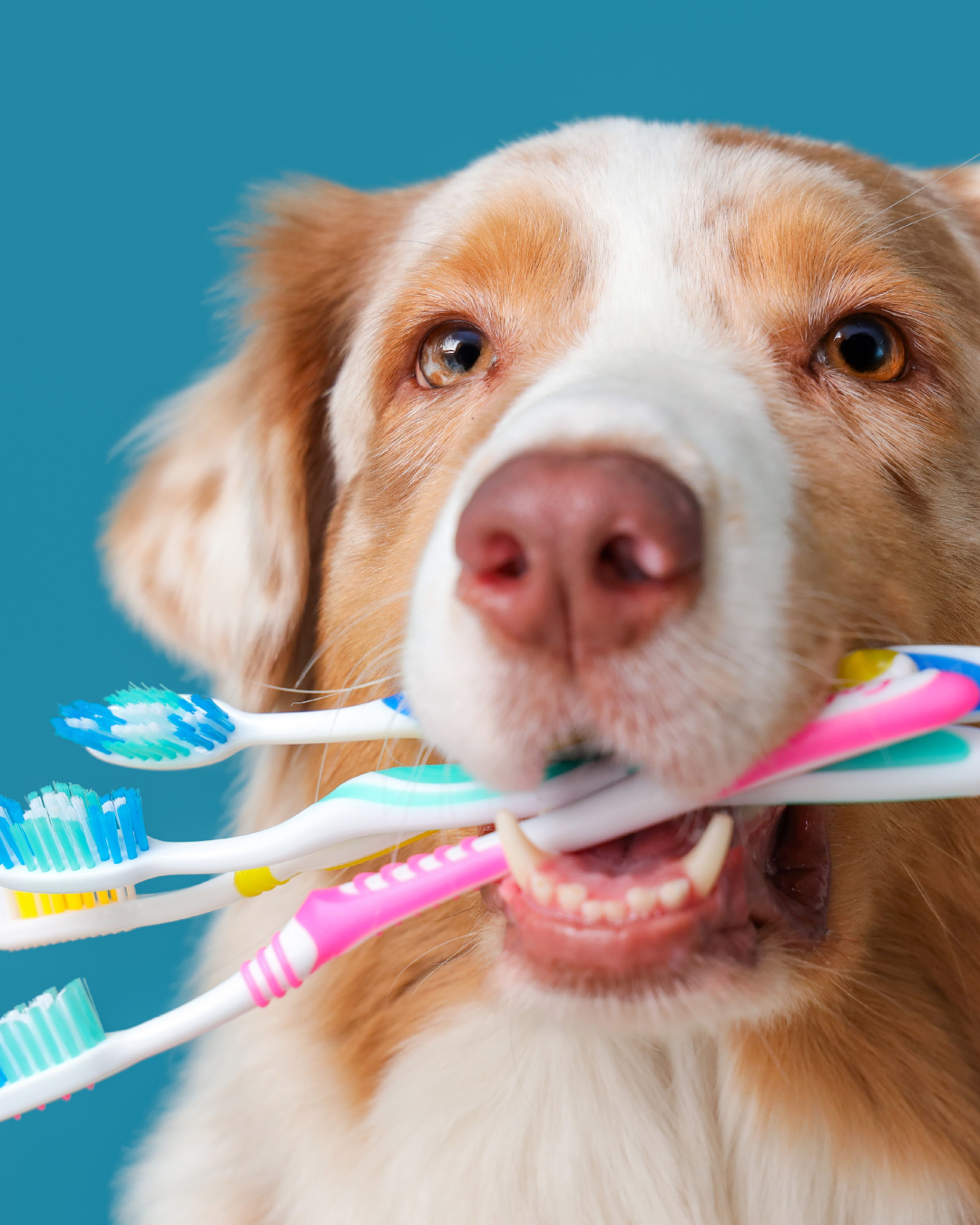
Why Regular Dental Care Is So Important for Dogs
Dental care is one of the most important parts of your dog’s overall health, yet it’s often overlooked. Many dogs develop dental disease long before their owners notice any obvious signs. Because dogs cannot tell us when their mouth hurts, problems can progress quietly until they become painful or serious. Regular dental care, including routine exams and cleanings, plays a key role in keeping your dog comfortable and healthy throughout their life.
Dental disease is very common in dogs
By the age of three, most dogs show some signs of dental disease. Plaque begins to form on the teeth soon after eating. If it’s not removed, it hardens into tartar, which can lead to inflamed gums, infection, and damage to the structures that support the teeth.
This condition, called periodontal disease, is one of the most frequently diagnosed health problems in dogs. Small breeds, older dogs, and dogs with crowded teeth are especially at risk, but any dog can develop dental issues over time.
The challenge is that dental disease often develops gradually, and many dogs continue to eat and behave normally even when their mouth is uncomfortable.
Signs your dog may have dental problems
Bad breath is often the first sign owners notice, but it is not the only one. Persistent bad breath is not normal and usually indicates bacteria and infection in the mouth.
Other signs to watch for include:
- Yellow or brown buildup on the teeth
- Red or swollen gums
- Drooling more than usual
- Difficulty chewing or dropping food
- Pawing at the mouth
- Decreased appetite
- Changes in behavior or irritability
Some dogs show very few symptoms, which is why regular exams are so important. We can often detect early dental disease before it becomes painful.
Why dental disease affects more than the mouth
Dental problems do not stay limited to the teeth and gums. Bacteria from infected gums can enter the bloodstream and travel to other parts of the body. Over time, this can affect important organs such as the heart, liver, and kidneys.
Chronic dental infection can also cause ongoing pain, even if your dog still seems to be eating normally. Many dogs show improved energy, appetite, and mood after dental treatment because the discomfort they were living with has been resolved.
Keeping your dog’s mouth healthy helps protect their entire body.
The importance of professional dental cleanings
Brushing your dog’s teeth at home is helpful, but it cannot remove hardened tartar once it forms. Professional dental cleanings allow us to thoroughly clean above and below the gumline, where disease often begins.
During a dental procedure, we also examine each tooth carefully and take dental X-rays if needed. This helps us identify problems that cannot be seen just by looking at the surface, such as infections below the gumline or damaged roots.
Regular cleanings allow us to treat small issues early, before they become more serious and require extractions or more advanced care.
Preventive care makes a difference
Good dental health is built over time. Regular exams, professional cleanings when needed, and simple home care can all help reduce the risk of dental disease.
At Easthampton Animal Hospital, we can recommend the best approach for your dog based on their age, breed, and current dental condition. This may include brushing, dental chews, special diets, or scheduled cleanings.
Healthy teeth, healthier life
Dental care is not just about keeping your dog’s breath fresh. It’s about preventing pain, protecting vital organs, and helping your dog stay active and comfortable for as long as possible.
Routine dental care is one of the simplest ways to improve your dog’s quality of life. By staying proactive, we can catch problems early and keep your dog’s smile healthy for years to come.
If you need guidance, we’re here to help.