
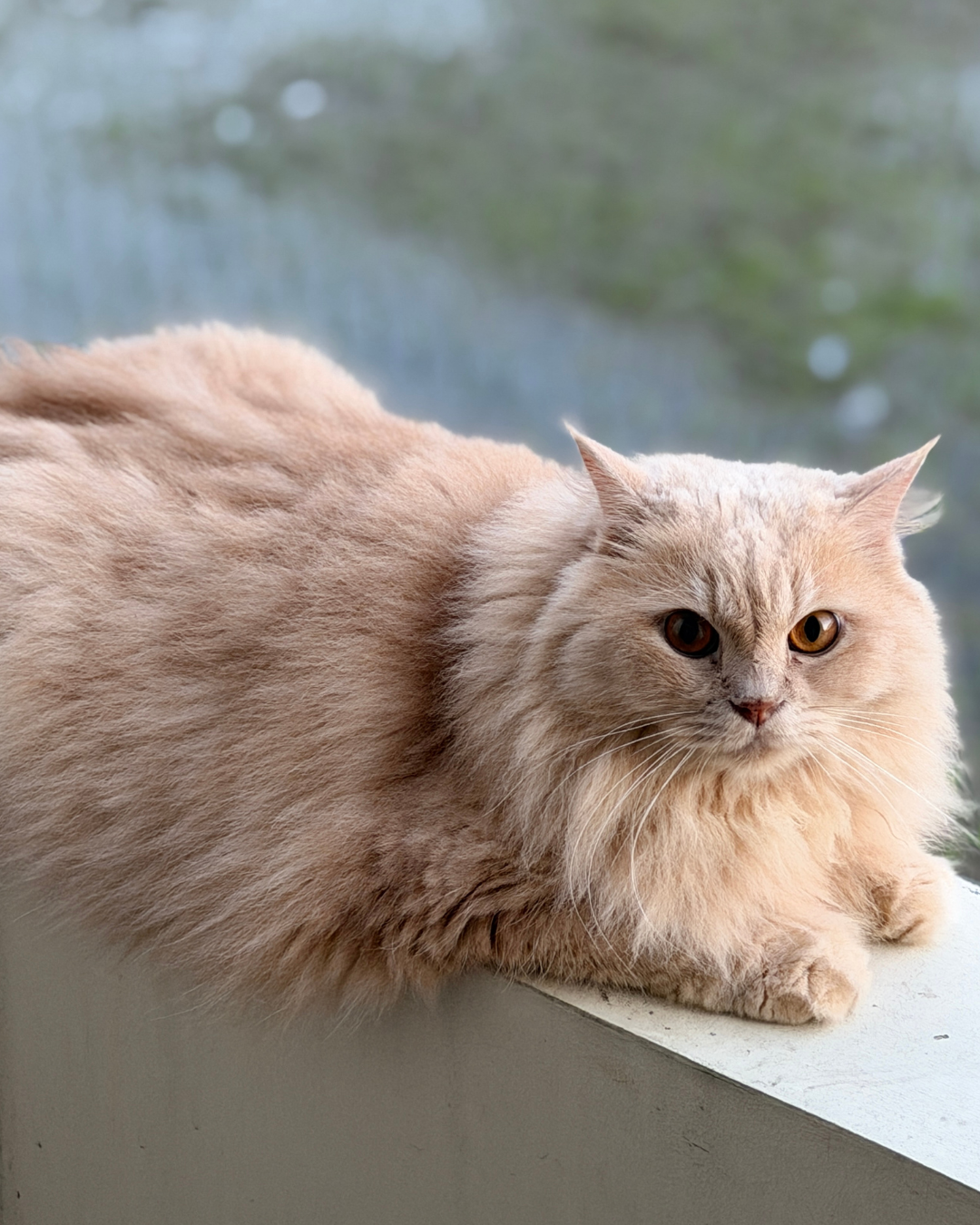
Is Your Cat Stressed? Subtle Signs You Might Be Missing
Cats are incredibly good at hiding discomfort. In the wild, showing weakness can make them vulnerable, so even in a safe home environment, many cats instinctively mask stress or illness. That means the signs are often quiet, gradual, and easy to overlook.
Understanding these subtle changes can help you step in early and support your cat before stress begins to affect their health.
Why stress matters in cats
Stress isn’t just a behavioral issue. It can have real physical effects on your cat’s wellbeing. Chronic stress has been linked to conditions like urinary issues, digestive problems, overgrooming, and changes in appetite.
Because cats thrive on routine and predictability, even small disruptions can feel significant to them. A new pet, a change in schedule, visitors, or even rearranged furniture can be enough to trigger stress.
Subtle signs your cat may be stressed
Cats rarely make it obvious when something is wrong. Instead, they communicate through small shifts in behavior.
Here are some common signs to watch for:
Changes in grooming habits
A stressed cat may groom excessively, leading to thinning fur or bald patches. Others may groom less, resulting in a dull or unkempt coat.
Litter box changes
Urinating or defecating outside the litter box, going more or less frequently, or straining can all be linked to stress. These changes should always be taken seriously and evaluated.
Appetite changes
Eating significantly more or less than usual can be a sign that something is off. Some cats lose interest in food, while others may overeat as a coping behavior.
Hiding or withdrawal
If your normally social cat is suddenly spending more time hiding or avoiding interaction, stress may be a factor.
Increased vocalization or irritability
Some cats become more vocal, while others may seem more sensitive to touch or quicker to react.
Changes in activity level
A decrease in playfulness or energy can be a subtle indicator that your cat is not feeling their best.
Common causes of stress
Cats are sensitive to changes in their environment and routine. Some of the most common stress triggers include:
- Moving to a new home
- Introducing a new pet or family member
- Changes in daily routine
- Loud noises or frequent visitors
- Lack of environmental enrichment
- Conflict with other pets
Even changes that seem minor to us can feel significant to a cat.
How you can help reduce stress
The good news is that small, thoughtful adjustments can make a big difference.
Keep routines consistent
Feeding, playtime, and daily interactions should happen at predictable times whenever possible.
Provide safe spaces
Make sure your cat has quiet, comfortable areas where they can retreat and feel secure.
Enrich their environment
Interactive toys, scratching posts, and vertical spaces like cat trees can help reduce boredom and stress.
Support litter box habits
Ensure litter boxes are clean, easily accessible, and located in quiet areas. A good rule is one box per cat, plus one extra.
Introduce changes gradually
When possible, ease your cat into new situations rather than making sudden changes.
When to seek help
Because stress-related behaviors can overlap with medical issues, it’s always a good idea to consult your veterinarian if you notice changes. What looks like stress could also be a sign of an underlying health condition.
A calmer, healthier cat
Cats may not always show us when they’re struggling, but they do communicate in their own quiet ways. By paying attention to subtle changes and creating a supportive environment, you can help reduce stress and improve your cat’s quality of life.
If you’re ever unsure, we’re here to help guide you. Early support from our team can make all the difference in keeping your cat happy, healthy, and comfortable at home.