
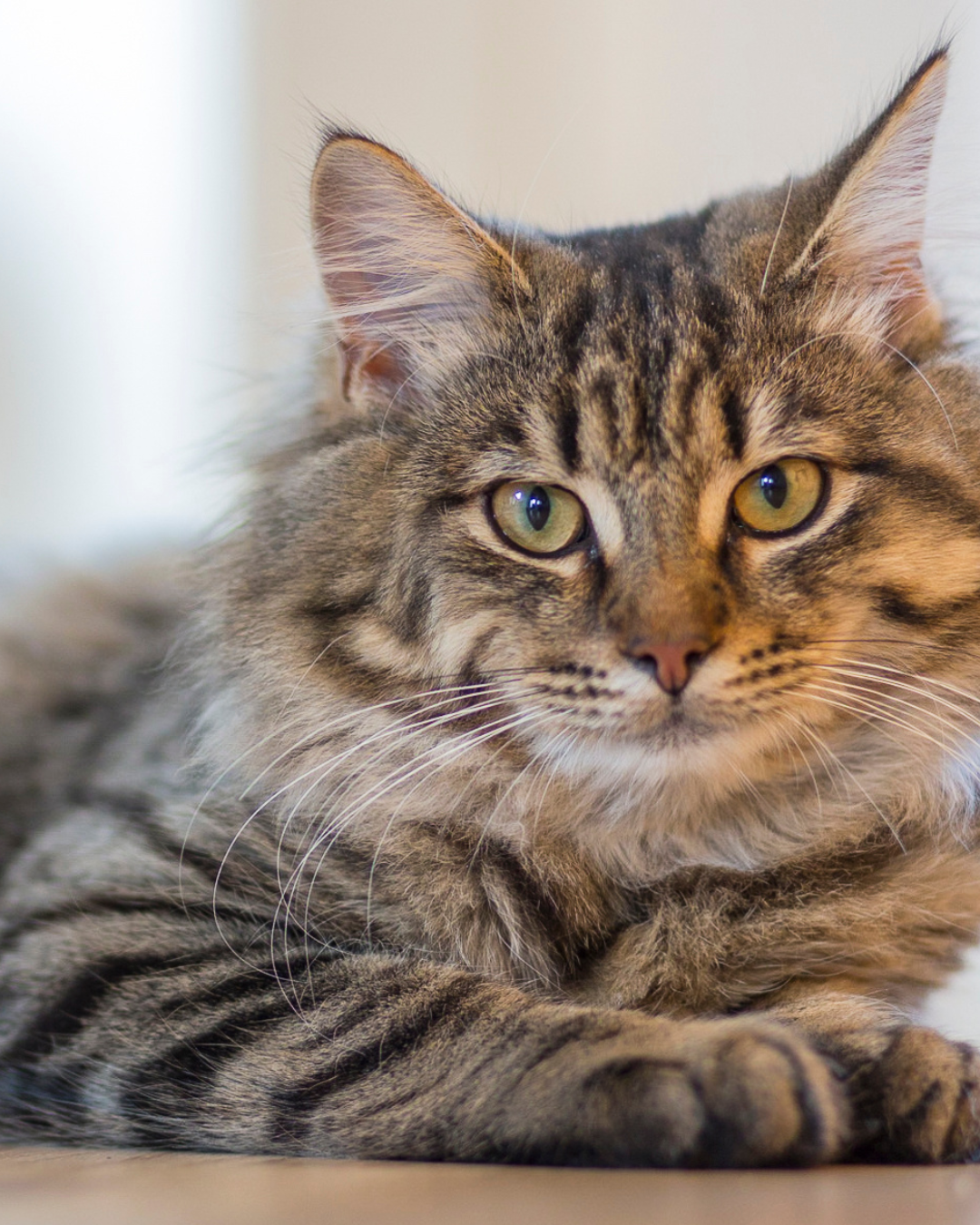
Is Your Cat in Pain? Subtle Signs You Should Never Ignore
Cats are remarkably good at hiding discomfort. Unlike dogs, who may be more obvious when something hurts, cats often continue their daily routines while quietly dealing with pain.
This instinct comes from their wild ancestors, where showing weakness could make them vulnerable to predators. Unfortunately, it also means that cat owners may miss the early warning signs that something isn’t right.
Understanding what to look for can help you recognize when your feline friend needs veterinary attention.
Changes in Behavior
One of the earliest signs of pain in cats is a change in their usual behavior.
Perhaps your normally affectionate cat has become withdrawn, or a typically independent cat suddenly seems unusually clingy. Some cats become irritable, hiss when touched, or avoid being picked up.
Others may simply seem less interested in playing, exploring, or interacting with family members.
Any noticeable change from your cat’s normal personality is worth paying attention to, particularly if it persists or develops suddenly.
Reluctance to Jump or Climb
Has your cat stopped jumping onto their favorite windowsill? Are they hesitating before climbing the stairs or choosing lower places to rest?
These changes may be signs of joint pain or arthritis.
Arthritis is particularly common in older cats, although younger cats can experience joint problems too. Because cats rarely limp dramatically, their discomfort may show up as subtle changes in movement.
You might notice your cat:
- Taking several smaller jumps instead of one big leap
- Hesitating before jumping onto furniture
- Moving more slowly after resting
- Having difficulty climbing stairs
- Becoming less playful or active
These behaviors shouldn’t automatically be dismissed as normal aging. There may be ways to help your cat feel more comfortable.
Changes in Grooming and Sleeping Habits
Cats are usually meticulous groomers, so changes in their grooming routine can be an important clue.
A cat experiencing pain may groom less frequently because twisting or reaching certain areas has become uncomfortable. This can lead to a dull, matted, or unkempt coat.
Alternatively, some cats may excessively lick one particular area, potentially indicating discomfort.
Sleeping habits can change too. Your cat may sleep more than usual, have difficulty settling into a comfortable position, or begin resting in unusual locations.
While cats naturally sleep for much of the day, significant changes in their normal routine deserve attention.
Hiding or Avoiding Interaction
If your normally sociable cat suddenly spends more time under the bed or tucked away in a quiet corner, don’t assume they’re simply being antisocial.
Cats often seek solitude when they feel unwell or uncomfortable.
You may also notice that your cat avoids being touched, particularly around a painful area, or reacts differently when you approach.
These behaviors can have several causes, including stress or illness, but pain should always be considered.
Changes in Appetite or Litter Box Habits
Pain can affect everyday activities such as eating, drinking, and using the litter box.
Dental disease, for example, may make chewing uncomfortable. Your cat might eat more slowly, drop food, or show less interest in meals.
Joint pain can make it difficult to climb into a litter box, especially one with high sides. Some cats may begin having accidents outside the box simply because getting in and out has become painful.
Straining to urinate, frequent unsuccessful trips to the litter box, or producing little or no urine can indicate a serious medical problem. A cat that is unable to urinate needs immediate veterinary attention.
A sudden loss of appetite is also concerning and should prompt a call to your veterinarian.
What Causes Pain in Cats?
There are many possible causes of feline pain, including arthritis, dental disease, injuries, urinary tract problems, infections, and other underlying medical conditions.
Some develop gradually, making changes difficult to recognize, while others cause sudden discomfort.
Because cats can’t tell us where it hurts, identifying the underlying cause often requires a thorough veterinary examination.
How Your Veterinarian Can Help
If you’ve noticed changes in your cat’s behavior, mobility, appetite, or daily habits, scheduling a veterinary appointment is an important first step.
At Easthampton Animal Hospital, our veterinary team can assess your cat’s overall health, examine areas of potential discomfort, and recommend diagnostic testing when appropriate.
Depending on the cause, treatment may include pain management, dental care, medication, environmental adjustments, or other supportive measures.
Never give your cat human pain medications without veterinary guidance, as many can be extremely toxic to cats.
Helping Your Cat Live Comfortably
You know your cat better than anyone. Small changes that might seem insignificant to someone else could be important clues that your pet isn’t feeling their best.
Regular wellness exams, especially for senior cats, provide opportunities to identify developing problems and discuss changes you’ve noticed at home.
Pain doesn’t always look like pain in cats. Sometimes it’s simply a missed jump, an untouched favorite toy, or a change in where they choose to sleep.
If something doesn’t seem quite right, trust your instincts and reach out to your veterinary team.
At Easthampton Animal Hospital, we’re here to help your cat stay healthy, comfortable, and happy through every stage of life.
Concerned about your cat’s comfort?
Contact Easthampton Animal Hospital to schedule an examination.
410 Main Street, Easthampton
(413) 527-0127